
Businesses focus on digital marketing, there’s one technique that still holds its ground today: cold calling, even in a world where automation and social media reign supreme, cold calling remains a powerful tool in an outbound marketing strategy. In this article, we’ll dive into why cold calling is still effective, how it contributes to successful marketing campaigns, and what you can do to improve its impact.
What Exactly Is Outbound Marketing?
At its core, outbound marketing involves reaching out directly to potential customers. Instead of waiting for people to find you, you go out and make the first move. Whether it’s cold calling, direct emails, or even TV ads, outbound marketing requires a proactive approach. The goal? To generate leads, spark interest, and push prospects through your sales funnel.
Why Cold Calling Continues to Shine in Outbound Marketing
Now, I know what you might be thinking cold calling can seem outdated in a world of social media ads and email marketing campaigns. But here’s the thing: it’s far from obsolete. Let’s take a closer look at why cold calling is still one of the best tactics in outbound marketing.
1. The Power of Personal Connection
When you pick up the phone and call someone, there’s an immediate, human connection that no other form of outreach can replicate. Cold calling allows you to have a real conversation, one where you can adjust your message based on the response you’re getting. This level of personalization is what makes cold calling effective, it’s not just a “one-size-fits-all” pitch.
2. Real-Time Feedback
With cold calling, you get instant feedback. If the person on the other end is interested, you know right away. On the off chance that they are not, you’ll be able turn your approach quickly, maybe by tending to their concerns or advertising a diverse arrangement. It’s a energetic way of learning almost your prospects and making strides your outreach procedure on the spot.
3. Building Trust Quickly
Rust is everything. Cold calling is a great way to build that trust quickly. Through a phone conversation, you can establish your credibility, listen to your prospect’s needs, and show that you understand their challenges. That face-to-face trust-building, even if it’s virtual, is something email campaigns can’t quite match.
4. Cold Calling Equals Real Engagement
Whereas mechanized emails and social media advertisements are extraordinary for mindfulness, they don’t fundamentally lead to coordinate engagement. Cold calling, on the other hand, powers you to lock in one-on-one. Indeed on the off chance that a prospect doesn’t quickly purchase from you, they are distant more likely to keep in mind you and consider your item or benefit down the line. In numerous cases, cold calling opens the entryway to future trade.
Making Cold Calling Work for You: Key Techniques
Let’s face it: Cold calling can be intimidating. But with the right techniques, it doesn’t have to be. Here are some tips to make your cold calling efforts more effective:
1. Know Your Audience
Research is key. Some time recently you choose up the phone, make beyond any doubt you get it who you’re calling. Know their industry, their potential torment focuses, and how your arrangement can offer assistance them. This makes the call feel more individual and significant.
2. Create a Script, But Keep It Flexible
A good script can guide you, but don’t let it sound rehearsed. The goal is to have a conversation, not deliver a monologue. Your script should include key points, but also leave room for genuine dialogue. Think of it as a roadmap, not a set of instructions.
3. Focus on Building Relationships, Not Just Making Sales
Cold calling shouldn’t feel like a difficult offer. Instep, center on building a relationship along with your prospect. Tune in to their concerns, inquire questions, and give esteem; don’t fair thrust your item. In the event that you construct a strong establishment, they are more likely to return when theyre prepared to form a buy.
4. Overcome Objections with Confidence
Rejection is part of the game, but it’s not the end. When you encounter objections, stay calm and confident. Address the concerns, offer a solution, and always try to keep the conversation going. In many cases, it’s not about selling on the first call; it’s about opening the door for future conversations.
Integrating Cold Calling into Your Outbound Marketing Campaign
Cold calling shouldn’t be your only tactic. When combined with other outbound marketing channels, it becomes even more powerful. Here’s how to integrate cold calling into a well-rounded outbound marketing campaign:
1. Create a Targeted List
Start by building a list of prospects who fit your target customer profile. Use data-driven tools and segmentation to ensure that your cold calls are going to the right people. The more specific your list, the better your chances of success.
2. Mix Cold Calling with Other Channels
Don’t rely solely on cold calling. Complement it with cold emailing, social media outreach, and other outbound marketing tools. For example, send an introductory email before calling, or follow up with a LinkedIn message after your call. A multi-channel approach helps reinforce your message and increases the chances of reaching your target audience.
3. Track and Optimize Your Efforts
Cold calling works best when you track your results. Keep an eye on key metrics, such as conversion rates, call-to-purchase ratios, and response times. This data will help you identify patterns, tweak your approach, and ultimately improve your success rate.
Tools to Enhance Your Cold Calling Efforts
To really make cold calling work for your business, you’ll need the right tools. From CRM systems to call tracking software, here are some of the best tools that can help optimize your cold calling strategy:
1. CRM Software
A CRM (Customer Relationship Management) tool like Salesforce or HubSpot is important for keeping track of your conversations with potential customers. It stores information about your calls, notes from your discussions, and reminders for follow-up. This helps you stay organized and build a stronger relationship with your customers over time.
2. Call Tracking Software
Call tracking tools like CallRail help you measure the success of your cold calling campaigns. With these tools, you can track metrics like call duration, outcomes, and conversion rates, allowing you to continually improve your approach.
3. Automated Dialers
Automated dialers can save you time by dialing multiple numbers at once and connecting you only when someone picks up. This reduces the time spent manually dialing and allows you to spend more time speaking with prospects.
4. Outbound Sales Platforms
Platforms like Outreach or SalesLoft help streamline outbound sales campaigns, including cold calling. These tools allow you to schedule calls, track progress, and analyze results, making it easier to manage your cold calling efforts.
Why Outbound Marketing Matters for B2B
For B2B businesses, cold calling is especially powerful. Often, the decision-makers are difficult to reach via email or social media. But cold calling provides direct access to these key individuals. It allows for personalized conversations that can lead to significant business opportunities.
Why Cold Calling Is Still Effective in Outbound Marketing
Outbound marketing remains a powerful strategy for businesses to directly engage with potential customers, and cold calling is one of its most time-tested techniques. While some might argue that cold calling is outdated in the digital age, the truth is that when done right, it’s still an incredibly effective way to generate leads and drive sales. In this article, we’ll explore the reasons why cold calling is still a vital part of outbound marketing, how to improve your cold calling techniques, and how it fits into a comprehensive outbound marketing strategy.
Outbound Marketing: The Foundation of Proactive Sales
Outbound marketing involves reaching out to potential customers who haven’t expressed interest in your products or services. Unlike inbound marketing, where prospects come to you through things like content or search engine optimization (SEO), outbound marketing requires you to make the first move. Cold calling, direct mail, cold emailing, and TV or radio ads are all common outbound marketing tactics. It’s an active approach, one that helps businesses expand their reach and generate interest in their offerings.
Cold calling, in particular, remains one of the most direct and personal ways to connect with potential customers. Despite the rise of online marketing, many successful businesses still leverage this method. Here’s why.
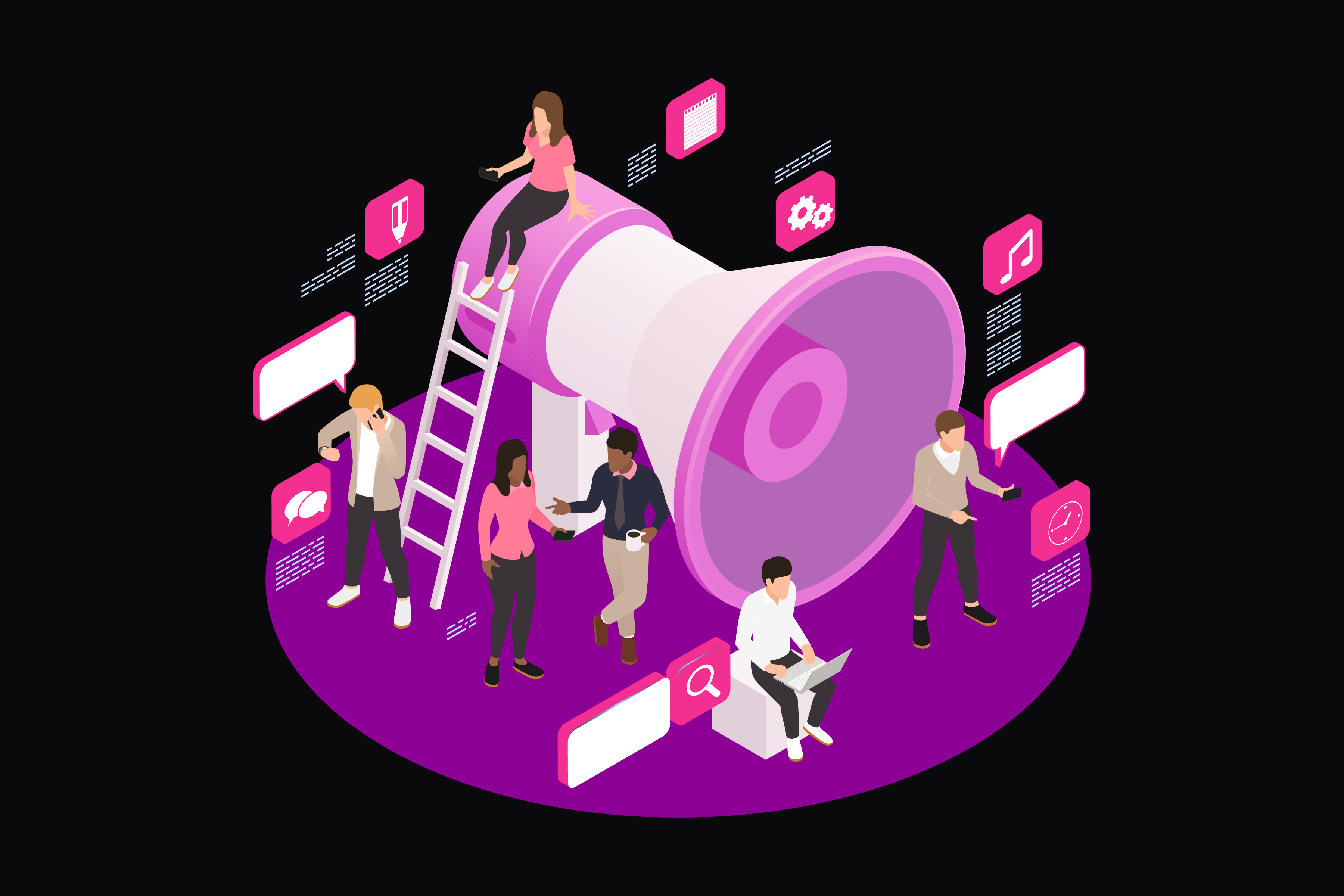
Why Cold Calling Is Still Effective
It’s easy to assume that cold calling is no longer effective, especially with the advent of digital tools like social media marketing and email campaigns. However, cold calling continues to provide value that many other marketing methods can’t replicate. Let’s dive into why cold calling remains one of the most effective tools in outbound marketing.
1. The Personal Touch in a Digital World
In an era where digital communication dominates, human interaction has become more precious than ever. Cold calling provides a unique opportunity to personally engage with potential customers. By speaking with someone directly, you can adjust the conversation based on real-time responses, addressing their pain points or concerns. This personalized interaction builds rapport in ways that emails or social media posts just can’t.
People are much more likely to remember a personal conversation than an impersonal email or ad. When you call, you get the chance to show your genuine interest in solving their problems. This personal touch can be the difference between a lead turning into a sale and being lost to competitors.
2. Instant Feedback and Conversation Flow
One of the best things about cold calling is the immediate feedback. As soon as you start the conversation, you can gauge the prospect’s level of interest and adjust your pitch accordingly. If they’re not interested, you can handle their objections right away or simply move on to the next call. Conversely, if they’re interested, you can dive deeper into their needs, providing a tailored solution. This instant feedback loop makes cold calling an agile and responsive marketing tactic.
This is especially valuable in fast-moving industries where understanding customer sentiment and feedback quickly is crucial to staying ahead of the competition. For example, in B2B sales, being able to speak with decision-makers directly can help position your product as the solution to their immediate needs.
3. Higher Conversion Rates than Other Methods
While digital marketing methods like SEO and social media ads are great for raising awareness, cold calling often leads to higher conversion rates. This is particularly true when you have a well-targeted prospect list. Unlike cold emailing, where messages can get lost in an inbox or overlooked, a phone call gets immediate attention. With a well-prepared pitch, your chances of converting a prospect into a paying customer can be much higher.
4. Cold Calling Cuts Through the Noise
Today, prospects are bombarded with an overwhelming number of messages across digital channels, emails, pop-up ads, and social media promotions. It’s easy for your message to get lost in the noise. Cold calling, however, is a direct and personal method that cuts through all the clutter. When you pick up the phone, you’re reaching the person in real-time, which can be much more effective than sending another promotional email that might never get read.
While email marketing and social media have their place, nothing beats the power of a live conversation. Cold calling allows you to get your message directly to decision-makers, providing an opportunity to stand out in a crowded market.
5. A Long-Term Relationship Builder
Cold calling isn’t just about making a sale on the first call. It’s also about building long-term relationships. Even if a prospect isn’t ready to buy immediately, a phone call allows you to introduce your product, learn more about their business, and position yourself as a trusted advisor. Over time, this can lead to future opportunities.
In B2B sales, particularly, cold calling opens the door to ongoing conversations that can evolve into long-term partnerships. By staying in touch with prospects, offering helpful advice, and maintaining a human connection, you set the stage for future sales.
How to Make Cold Calling Work for You
Now that we understand why cold calling is still effective, let’s explore some of the best ways to make it work for your business. It’s not enough to just pick up the phone and dial random numbers. To truly succeed in cold calling, you need a strategic approach.
1. Research Your Leads
Before picking up the phone, it’s essential to research your prospects. Cold calling a business or individual who’s not a good fit for your product or service is a waste of time for both you and the prospect. Take the time to research potential leads—look at their industry, pain points, and challenges to understand how your product can help.
This research allows you to tailor your message, making the conversation more relevant and engaging. The more informed you are about your prospects, the more effective your cold calls will be.
2. Craft a Compelling Script
While cold calling requires a conversational tone, having a script is essential. Your script should include a clear introduction, a concise explanation of your product’s value, and an engaging call to action. The goal isn’t to read the script verbatim but to use it as a guide. Think of it as a way to keep the conversation on track and ensure that you hit all the key points.
A well-crafted script will also help you stay calm and confident, especially when faced with objections. If you’re prepared, you’re less likely to get flustered and more likely to keep the conversation moving forward.
3. Listen More Than You Talk
Effective cold calling is all about listening to the prospect. The more you understand their needs and pain points, the better you can tailor your solution to them. Ask open-ended questions that allow the prospect to share their challenges and goals. This will help you engage with them on a deeper level and provide real value during the conversation.
4. Handle Objections Gracefully
Protests are a normal portion of cold calling, and they shouldn’t be seen as difficulties. When a prospect communicates wavering, take the time to address their concerns mindfully. Emphasize the benefits of your item or benefit, and offer to send extra data or set up a follow-up assembly. Overcoming complaints is all almost giving esteem and appearing the prospect that you just get it their concerns.
5. Follow Up Consistently
Cold calling doesn’t end with a single call. Follow-up is critical to keep the conversation going. Whether it’s through a follow-up email or another call, staying in touch with your leads helps reinforce your message and build trust. Consistent follow-up shows your commitment and helps keep you top of mind when they’re ready to make a purchase.
How Cold Calling Fits Into a Bigger Outbound Marketing Campaign
Cold calling is just one part of an effective outbound marketing strategy. To maximize its impact, it should be integrated with other outbound channels.
1. Leverage Cold Emailing
Combine cold calling with cold emailing for a multi-touch approach. Send a cold email introducing your product before making the call, or follow up with an email after the call to provide more details or schedule a meeting. Cold emailing and cold calling complement each other and increase your chances of getting a response.
2. Utilize Social Media
Social media platforms like LinkedIn can be used to connect with prospects before making a cold call. Send a connection request or a brief message to build rapport before reaching out over the phone. This creates a warmer introduction and makes the cold call feel less intrusive.
3. Track and Optimize Your Efforts
Finally, track your cold calling efforts and analyze the data. What worked? What didn’t? By measuring call outcomes, conversion rates, and response times, you can continuously refine your cold calling approach and improve your results.
How Prismatic Digital Solutions Can Help
Outbound marketing can be daunting, but with the right approach and support, it can drive incredible results.
Prismatic Digital Solutions specializes in creating customized outbound marketing campaigns.
We focus on strategies like cold calling to generate leads and build long-term relationships.
Our team helps refine cold calling techniques and implement multi-channel strategies.
Let us help elevate your outbound marketing efforts to the next level.
FAQs
Q: Is cold calling still effective in 2025?
Yes, cold calling remains one of the most effective outbound marketing strategies, especially when combined with other channels and used in a personalized, thoughtful manner.
Q: How can I improve my cold calling success?
Successful cold calling relies on research, personalization, and building relationships. A clear script, handling objections confidently, and focusing on value can boost your success rate.
Q: Can cold calling be combined with other marketing efforts?
Yes, cold calling is most effective when combined with other channels like cold emailing, social media, and targeted ads. A multi-channel approach boosts engagement and increases sales.
Q: What tools can help improve my cold calling efforts?
CRM software, call tracking tools, automated dialers, and outbound sales platforms are key for making cold calling campaigns more efficient and effective.


 Chat with Prismatic Bot